New NCRI Urological Cancer Report just launched
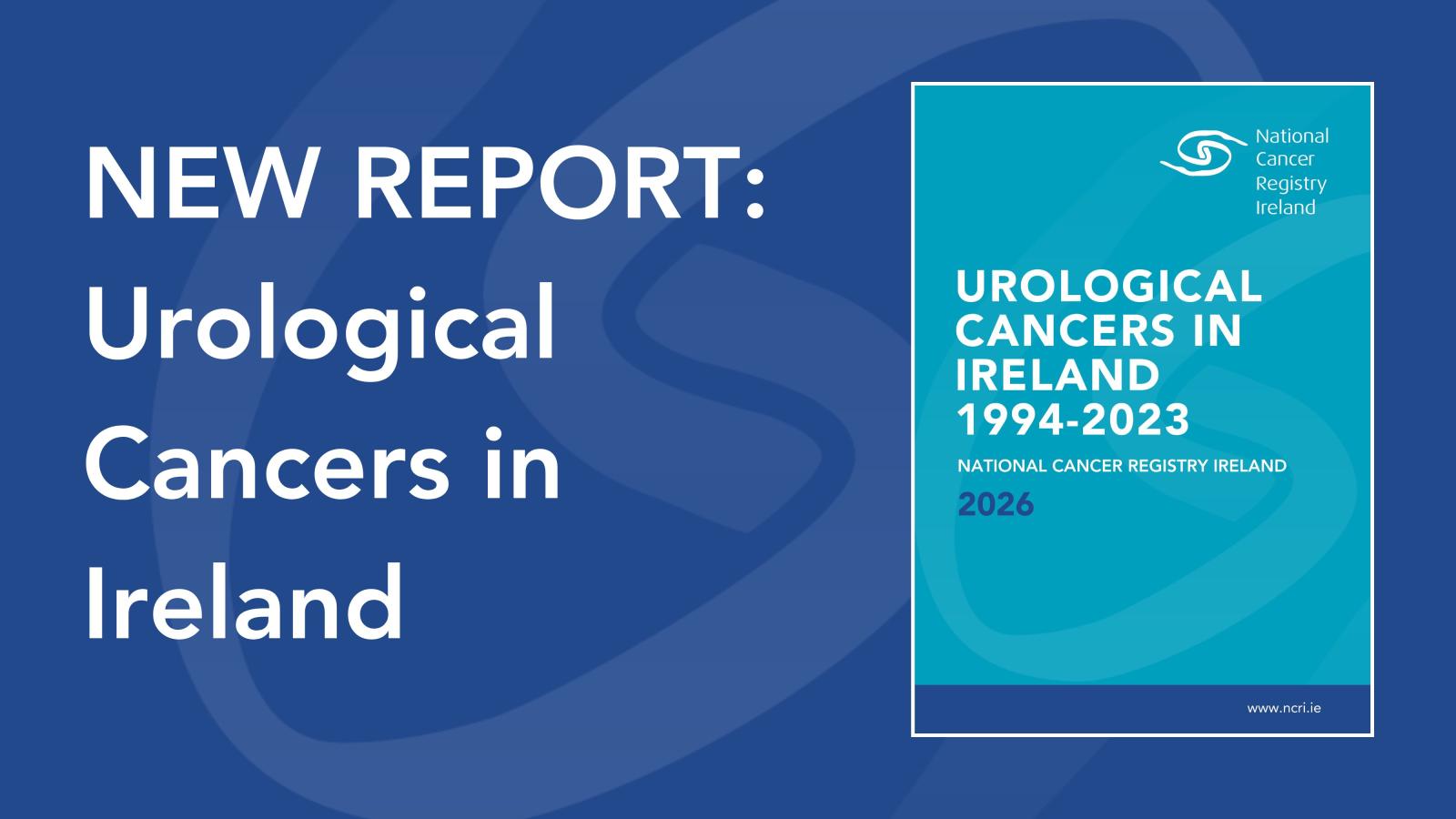
Three Decades of NCRI Data Paint a Positive Picture of Substantial Progress on Urological Cancers
- 30 years of NCRI data show improved survival rates across urological cancers – the mainly male cancers of prostate, kidney, testis, penile, and bladder
- As the population ages we see greater numbers of cases - but the incidence rate for most of these cancers is stable or going down
- Rapid Access Prostate Clinics have reshaped how and where men are assessed
- Treatments have evolved – now less invasive, more robotic surgery, and more organ‑preserving methods, giving better quality of life
- High-quality national data central to shaping policy, treatment, and better outcomes
Three decades of national data show that survival rates in Ireland have improved across urological cancers – the mainly male cancers of prostate, kidney, testis, penile, and bladder. A new Report published today by the National Cancer Registry of Ireland (NCRI), Urological Cancers in Ireland 1994–2023, provides the most comprehensive analysis to date of long‑term trends. The Report analyses incidence rates, stage at diagnosis, treatment patterns and survival across these cancers. The picture painted by this comprehensive analysis is a positive one of improved survival and new methods of diagnosis and treatment. The NCRI is the definitive source of cancer information in Ireland, collecting and analysing data on every new case of cancer since 1994.
Speaking at the launch of the report, Dr Theresa Redaniel, Head of Research and Analysis at the NCRI said the findings tell a story of substantial progress in many areas of urological cancer care.
“Survival rates are either improving or stable across these cancers – none is worsening,” she said. “A number of things have contributed to this encouraging picture – two key factors are changes in diagnostic pathways, and major changes in treatment practice. We now have centralised prostate cancer diagnosis in eight Rapid Access Prostate Clinics across the country – these have reshaped where and how men are assessed. We are also seeing much wider use of less invasive and organ‑preserving treatments across urology. These are all positive developments for patients and for the healthcare system.”
The data does show rising case numbers - NCRI analysis however, shows that this increase in numbers is simply the result of the population getting older; the underlying risk or incidence rate for these cancers is stable or decreasing. Testicular cancer, which primarily affects younger men, has stabilised after earlier increases. Two cancer types, bladder and penile cancer, show modest increases in case numbers, even after accounting for ageing of the population.
“This findings and trends in this Report highlight the importance of comprehensive national data and careful analysis for better outcomes,” Dr Redaniel added. “It’s important to know, for example, that much of the increase we see in case numbers is due simply to the population getting older – it’s not that the underlying risk has changed. It hasn’t. The incidence rates are either stable or decreasing. And today’s report shows encouraging improvement in survival for these five cancer types.”
Major advances in how these cancers are treated have also led to better outcomes and better quality of life.
“We are seeing for example, robotic-assisted surgery, kidney-sparing procedures, and more conservative approaches that reduce side effects and speed recovery,” Dr Redaniel said. “This encouraging progress is a testament to coordinated national pathways and the dedication of healthcare professionals across the system.”
The NCRI emphasises the importance of sustained investment in high‑quality cancer data to monitor these trends and support evidence‑based decisions in cancer control, prevention and service planning. Continued tracking of incidence, treatment and survival will be essential to guide future investment, ensure timely access to care and respond effectively to changing patterns. The report also demonstrates the unique value of long‑term NCRI data in evaluating national service changes, such as the Rapid Access Prostate Clinics, and highlights how future data collections will allow similar appraisal of emerging pathways and models of care.
“We will continue to monitor and report on these trends,” Dr Redaniel concluded. “Because the NCRI collects comprehensive data from all hospitals and cancer services, we are uniquely positioned to evaluate the impact of national initiatives such as the Rapid Access Prostate Clinics, and, with future years of data, to assess the implementation and outcomes of centralised pathways for other cancers. Our data provide a clear national picture of cancer in Ireland and support the planning and delivery of high‑quality services for patients today and into the future.”
Share this page